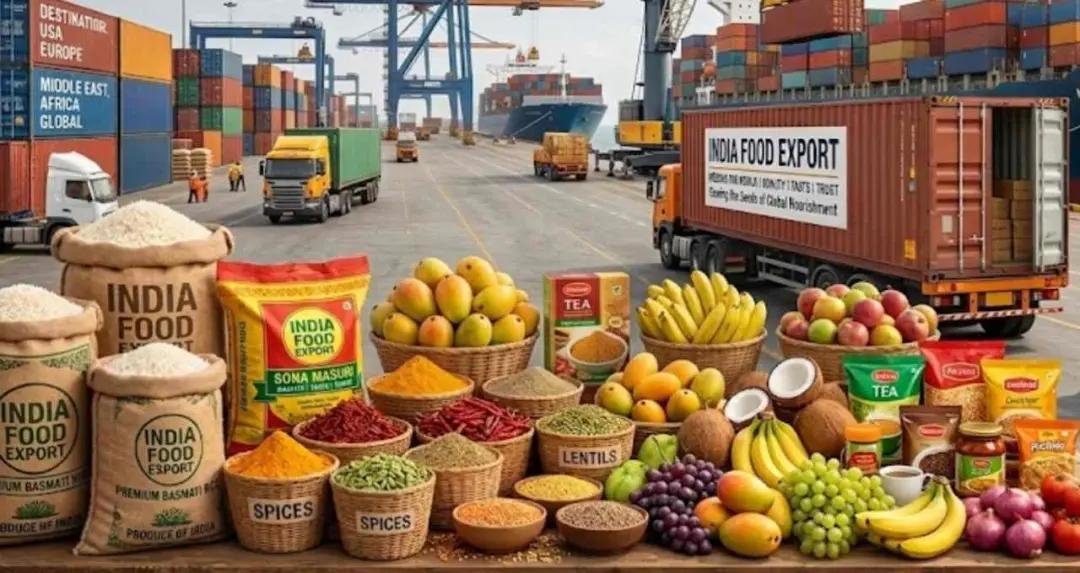
India's processed food sector offers opportunities for businesses looking to move further along the value chain, from supplying agricultural commodities to producing finished and semi-finished food products for domestic and international markets.
Data published by the Agricultural and Processed Food Products Export Development Authority (APEDA) shows that India's processed food exports span categories including cereal preparations, processed vegetables, pulses, processed fruits and nuts, confectionery, groundnuts and other food preparations. APEDA reported processed food exports worth approximately US$8.03 billion for FY 2025–26.
APEDA
Why value addition matters
Processing can create opportunities to develop products with specific specifications, packaging formats and shelf-life requirements for different markets.
Depending on their capabilities, Indian businesses can explore products such as spice blends, packaged snacks, ready-to-cook foods, fruit-based products, processed vegetables and cereal preparations.
However, a product that sells well in India may not automatically succeed overseas. Buyers may require different ingredient declarations, nutritional information, certifications, packaging formats and quality documentation.
Preparing for international markets
Businesses considering exports should research destination-market regulations, assess demand, evaluate pricing and logistics, and identify reliable importers or distributors.
Manufacturing consistency is also essential. Export orders may involve larger volumes and stricter delivery schedules, making production planning and quality assurance particularly important.
Official resources from APEDA and other relevant authorities can help exporters understand market requirements and available support.
Industry takeaway: Moving into processed and value-added foods can create new export opportunities, provided businesses align product development, compliance and production capacity with international buyer requirements.